
The IPM Plan Requirement Every Open-Front Restaurant in Chico and...

Rodent problems often continue when entry points stay open. Shelby’s finds where rats and mice are getting in and seals qualifying openings to help reduce recurring activity in homes and businesses across Chico and Northern California.
Rodent problems often continue when entry points stay open. Shelby’s finds where rats and mice are getting in and seals qualifying openings to help reduce recurring activity in homes and businesses across Chico and Northern California.

Serving Chico and Northern California since 1973.

We identify and seal the entry points rats and mice use to get inside.

Qualifying exclusion work is backed by a two-year workmanship guarantee.

California restrictions have made exclusion, monitoring and targeted control increasingly important.
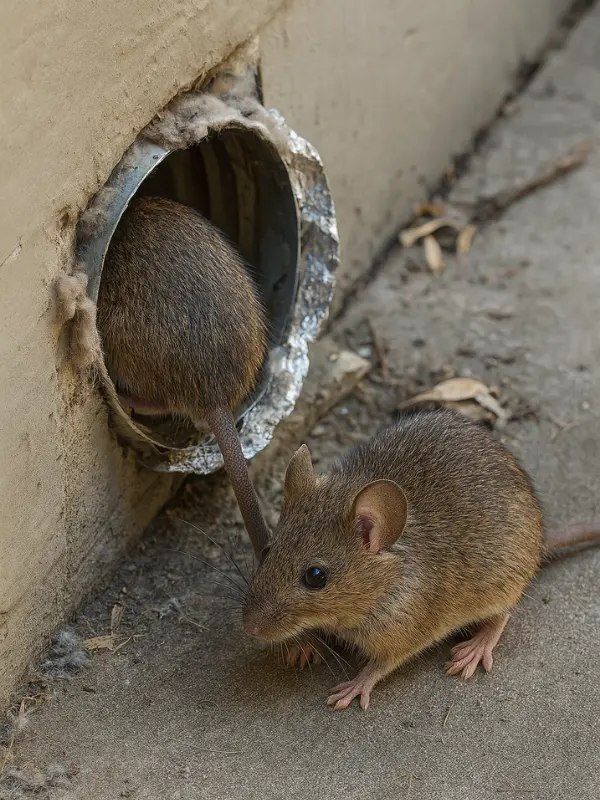
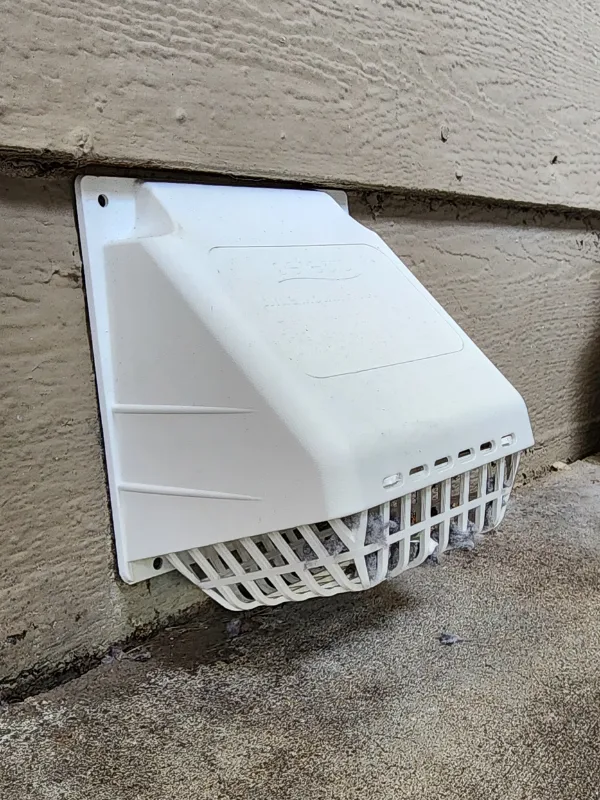
Rats and mice are common throughout Northern California, but recurring activity should not be treated as something a property owner simply has to live with.
Traps can remove rodents that are already inside. Monitoring can help show where activity is occurring. But neither one closes the gaps, vents, doors, roof openings or utility penetrations that allowed the rodents to enter.
Rodent exclusion focuses on those access points.
Shelby’s combines inspection, targeted rodent control when needed, professional sealing and follow-up based on the conditions found at the property.
This page explains:
Rodent control is the process of inspecting, removing, preventing and monitoring rats, mice and other rodents around a property.
A complete rodent-control plan may include four parts:
Rodent control is broader than trapping alone. The most effective plan addresses both the rodents currently present and the structural conditions allowing them to enter.
Read the complete guide to rodent control vs. rodent exclusion →
Rodent exclusion is the process of identifying and sealing the openings rats and mice use to enter a home or commercial building.
It may also be called:
Exclusion focuses on long-term prevention rather than only removing rodents after they are already inside.
The process may include sealing gaps around garages, foundations, crawlspace vents, rooflines, soffits, utility lines, doors, vents and other structural openings.
Learn about the top 10 entry points for rodents to get into your →
Rodent control and exclusion are not competing services. They often work best together.
Control addresses the rodents currently inside. Exclusion reduces the likelihood that new rats or mice will enter through the same openings.
Different rodents use buildings differently. Identifying the species can help determine where technicians should inspect and which entry points are most likely.
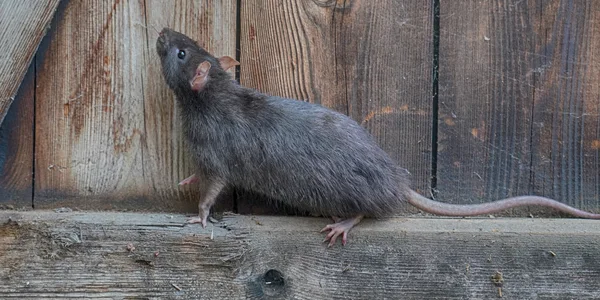
Strong climbers commonly found in attics, rooflines and upper walls. Look for overhead scratching, droppings, gnawing and fruit damage.
Slender rats with large ears, pointed noses and tails longer than their bodies.

Usually travel near the ground around crawlspaces, foundations and garages. Common signs include burrows, grease marks, larger droppings and gnawing.
Larger, heavier-bodied rats with blunt noses, smaller ears and tails shorter than their bodies.

Small rodents with pointed noses, large ears and thin tails. They often hide in kitchens, pantries, garages and wall voids. Because mice can fit through very small openings, exclusion focuses on tiny gaps around doors, pipes, vents and other structural penetrations.
Small rodents with pointed noses, large ears and thin tails.
Rodent control and exclusion are not competing services. They often work best together.
Control addresses the rodents currently inside. Exclusion reduces the likelihood that new rats or mice will enter through the same openings.
| Rodent Control | Rodent Exclusion |
|---|---|
|
Addresses rodents already present |
Helps prevent new rodents from entering |
|
May include trapping and monitoring
|
Focuses on sealing entry points
|
|
Can provide faster relief from active activity
|
Provides longer-term structural prevention
|
|
Does not always close access points
|
Addresses the openings creating the problem
|
|
May need to continue if the structure remains open
|
Works best when paired with removal when rodents are already inside
|
Shelby’s inspects attics, crawlspaces, rooflines, garages, foundations, vents, utility penetrations and other likely access areas for signs of rodent activity and possible entry points.
Technicians look for droppings, gnawing, nesting material, grease marks, damaged screens, burrows and gaps around pipes, wires and other structural openings. Findings are prioritized based on evidence and likelihood of use.
Entry points are sealed with materials suited to the opening, such as steel mesh, hardware cloth, metal flashing, mortar, vent screening and rodent-resistant door sweeps. Foam alone is not typically relied on for accessible rodent entry points.
Exclusion helps prevent new entry, but rodents already inside may still require trapping, monitoring or other California-compliant control methods. Removal and exclusion work together.

Follow-up checks help confirm sealed areas remain intact, activity has changed and any monitoring or trapping needs are addressed. Qualifying exclusion work may include a two-year workmanship guarantee under the written service terms.
Shelby’s has served Northern California for over 70 years and provides inspection-based rodent exclusion using professional materials, targeted control when needed, and follow-up based on the work performed.
California Company Registration #7911 • Branch 2 Pest Control • 2-Year Workmanship Guarantee on Qualifying Work
Rats and mice commonly create problems inside buildings.
Gophers, moles, voles and ground squirrels usually create different types of damage, including:
These pests require a different inspection and control plan.

Northern California gives rodents year-round access to food, water, shelter and travel routes.
Common local factors include:
Roof rats often travel along trees and rooflines, Norway rats stay closer to foundations and ground-level areas, and mice can enter through very small gaps.
Because rodent pressure varies by property, inspection should come before treatment or exclusion work.
Rodent exclusion works best when inspection, entry-point sealing, prevention and targeted control are used together based on the property and the activity found.
We look for gaps around rooflines, vents, crawlspaces, foundations, garage doors and utility lines, then seal the openings rodents may be using to get inside.
Traps can remove rodents that are already inside, but they do not stop new ones from coming in. If the same entry points stay open, the problem can return.
California has tighter rules around certain rodent-control products, which makes inspection, exclusion, monitoring and targeted control even more important.
Shelby’s provides rodent exclusion for homes and commercial properties across Northern California, including attics, garages, crawlspaces, restaurants, warehouses and multi-unit buildings.

Rodent exclusion pricing depends on the size of the property, number and location of entry points, access to areas like attics or crawlspaces, the materials needed, and whether trapping or monitoring is part of the service.
After the inspection, Shelby’s can outline the recommended work and provide a quote.
Your quote should clearly explain:
The timeline depends on the size of the property, number of openings, accessibility and complexity of the repairs.
A smaller project with several accessible gaps may take less time than a large home, warehouse or commercial facility with roofline, crawlspace and utility-entry concerns.
Shelby’s will explain the anticipated scope and timeline after the inspection.
The material must match the opening and building condition.
Common professional exclusion materials include:
Rats and mice may chew through exposed foam, soft sealants and other materials that are not reinforced. Foam may be used as part of certain repairs, but it generally should not be relied on by itself for accessible rodent entry points.
Professional exclusion uses materials selected for the size, location and type of opening.

Rodent control is the process of inspecting, removing, preventing and monitoring rats and mice around a property. A complete plan may include inspection, trapping, exclusion, sanitation recommendations and follow-up.
Rodent exclusion is the process of identifying and sealing the openings rats and mice use to enter a building. It may also be called rodent proofing, rat proofing or mouse proofing.
Rodent control addresses current activity and may include trapping or monitoring. Rodent exclusion focuses on sealing structural access points to help prevent new rodents from entering.
Yes. Rodent exclusion and rodent proofing generally refer to identifying and sealing the openings rats and mice use to enter a property.
You may need exclusion if you have recurring rodent activity, droppings, scratching sounds, damaged vents, garage-door gaps, utility openings, roof gaps or repeated problems after trapping.
Rodent exclusion can significantly reduce entry through the areas addressed, but buildings change over time. New damage, construction, utility work, open doors or disturbed materials may create new access points. Follow-up and property maintenance remain important.
Exclusion focuses primarily on structural inspection and sealing rather than broad pesticide application. When trapping or treatment is needed, Shelby’s selects methods based on the property, pest activity, label requirements and current California regulations.
Cost depends on the property size, number and location of entry points, accessibility, materials, trapping needs and scope of work. Shelby’s provides recommendations after inspecting the property.
The timeline depends on the number of openings, building size and complexity of the repairs. Shelby’s will provide an estimated schedule after the inspection.
Yes. Shelby’s provides commercial rodent exclusion and control services which include inspections, monitoring, trapping and exclusion for restaurants, warehouses, offices, apartments, property managers and other Northern California businesses.

Traps can address rodents already inside. Long-term rodent management also requires understanding how they entered.
Shelby’s Pest Control inspects homes and businesses, identifies access points, seals qualifying openings and provides targeted rodent-control recommendations based on the property.
📍 Serving Chico, Butte County, Tehama, Shasta, Yuba, and surrounding areas
The IPM Plan Requirement Every Open-Front Restaurant in Chico and...
What Businesses Are Really Dealing With Rodents & Commercial Properties...
Rodents and Fleas in Northern California: The Hidden Connection in...
We use cookies to improve your experience on our site. By using our site, you consent to cookies.
Manage your cookie preferences below:
Essential cookies enable basic functions and are necessary for the proper function of the website.
These cookies are needed for adding comments on this website.
Statistics cookies collect information anonymously. This information helps us understand how visitors use our website.
Google Analytics is a powerful tool that tracks and analyzes website traffic for informed marketing decisions.
Service URL: policies.google.com (opens in a new window)
Google reCAPTCHA helps protect websites from spam and abuse by verifying user interactions through challenges.
You can find more information in our Cookie Policy and Privacy Policy.