

Key Highlights: Northern California roaches are multiplying fast and moving indoors, understanding their behavior and seasonal trends is key to prevention.
Key Highlights: California’s rodenticide ban has made exclusion services essential for long-term protection.
If you’ve spotted droppings, chewed wires, or scratching in your walls—you’re not alone. Homeowners across Northern California are facing a rise in rat and mouse activity, and thanks to changes in California’s rodenticide laws, traps and poison alone no longer cut it.
At Shelby’s Pest Control, we specialize in rodent exclusion services in Northern California—a proven, poison-free method of stopping rodents before they get in. Whether you’re in Chico, Paradise, or a rural home in Tehama County, understanding where rodents enter is your first step toward long-term protection.
Let’s break down the top 10 most common rodent entry points—plus what you can do to block them.
Garage doors are one of the most common rodent entry points in homes from Chico to Red Bluff. Many older homes were built without tight weather stripping or with worn seals that rodents can easily chew through. A mouse can squeeze through a space as small as a dime, and once inside the garage, it’s just a short crawl to your pantry or attic.

Install a rodent-proof garage door seal (like Xcluder®) and check that it makes tight contact with the floor. Look for chew marks or daylight peeking under the door—those are clear signs it’s time to upgrade.
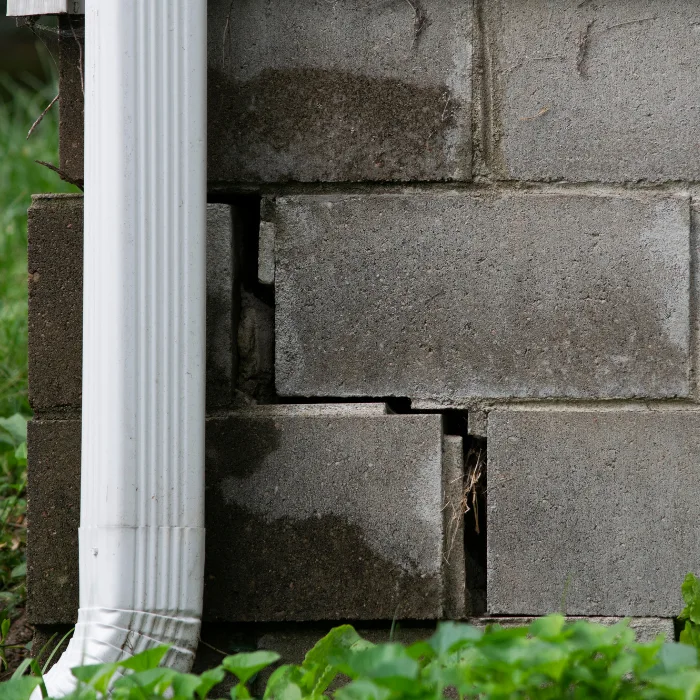
Hairline cracks in your home’s slab may seem minor, but to rodents, they’re open doors. In areas like Butte County with older homes and dry soil conditions, these cracks are especially common. Rodents often follow plumbing lines or burrow alongside foundation walls before slipping through structural gaps.
Long-term fix: Use concrete patching or expandable foam reinforced with metal mesh. A full rodent exclusion inspection will catch the cracks you miss.
Rodents love squeezing through holes where pipes and wires enter your home. Dryer vents, HVAC line penetrations, and even cable outlets are prime real estate for sneaky entry. In older homes, these penetrations often lack proper sealing or have deteriorated caulking.
Prevent this: Use steel wool and silicone caulk or specialized pest-proof gaskets to fill these gaps. Don’t forget to inspect around the attic vent or crawlspace access!
Even if your door is shut tight, a poor threshold or worn weather seal is an open invitation to rodents. Field mice often slip in under door corners or around warped frames, especially in mobile homes or cabins in rural areas of Tehama or Yuba.
Install weather stripping and metal door sweeps that extend the full width of your entryway. Shelby’s includes this in our rodent exclusion services with a 2-year workmanship guarantee.
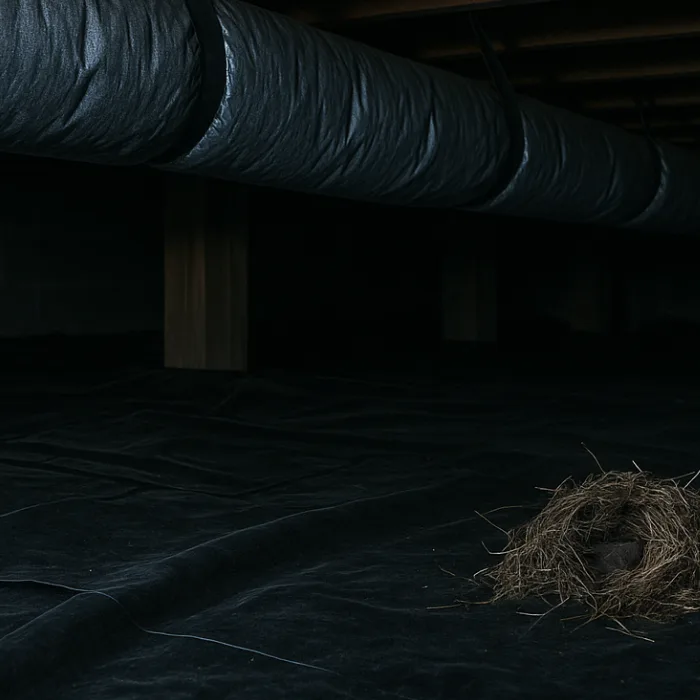
Crawlspaces are humid, dark, and perfect for nesting. Most homes in Northern California have at least one crawlspace access panel—often unsecured or with broken latches. Foundation vents with loose screens are another major entry point, especially for Norway rats.
Solution: Seal vents with 1/4″ metal hardware cloth, not plastic. Install lockable crawlspace doors that rodents can’t gnaw through.
Rats are excellent climbers and will scale trees, downspouts, and fences to reach your roofline. Gaps in the soffits or fascia, loose flashing, or torn attic screens become easy access points—especially during cooler months when roof heat draws them in.
Trim back vegetation and install metal flashing along roof junctions. During your next rain gutter clean-out, inspect for evidence of gnawing or droppings.
Chimneys and attic vents are a favorite for roof rats and even squirrels. While many newer homes have protective caps, older properties or wood stoves may lack covers entirely.
Use chimney caps and steel mesh vent covers. Avoid using foam or plastic—rodents will chew right through. For safety, always ensure these materials are fire-resistant.
Rodents often use a detached or attached garage as a stepping stone into the main home. If you store food, pet food, or cardboard boxes in these spaces, you’re giving them shelter and snacks.
Store items off the floor and seal gaps around garage-to-home doors. Install a door sweep and seal any holes behind shelving or water heaters.
Rodents frequently sneak into homes behind dishwashers, ovens, or base cabinets—especially where plumbing or gas lines enter. These cutouts are often oversized and never sealed properly during original construction.
Homeowners often overlook these interior breaches until it’s too late. Seal with chew-proof foam or flashing, and inspect regularly for fresh droppings or grease marks.

Once inside, rodents don’t just stop at one room. They’ll travel through wall voids, attic insulation, and even along electrical wires. Entry through soffits or behind siding can lead directly to your attic.
Book a full exclusion inspection to identify all interior access points. We use infrared scopes, dust tracking, and years of experience to follow their exact path.
Rodents are smart—and poison alone isn’t the answer anymore. Since California’s restrictions on rodenticides, sealing access points is not only safer for pets and kids but far more effective long-term.
At Shelby’s Pest Control, we’ve served the North State for over 50 years. Our rodent exclusion services include full inspections, metal and mesh installations, and a 2-year workmanship guarantee—backed by real results.
Don’t let rodents invade your space. Get a free inspection and see why our exclusion method outperforms traditional control.
Look for droppings, gnaw marks, greasy rub stains along baseboards, and scratching in walls. Musty odors and pet alertness near appliances are common signs.
We use chew-proof materials like galvanized steel mesh, metal flashing, concrete, and professional-grade door sweeps (like Xcluder®).
Yes. Unlike poison, exclusion is 100% non-toxic and eco-friendly. No bait boxes, no chemicals—just smart sealing.
Estimates are always free and depend on the size and complexity of your home. Most repairs are a one-time investment that protects your home for years.
Schedule your free exclusion estimate today and stop the problem at the source.
📍 Serving Chico, Butte County, Tehama, Shasta, Yuba, and surrounding areas
We use cookies to improve your experience on our site. By using our site, you consent to cookies.
Manage your cookie preferences below:
Essential cookies enable basic functions and are necessary for the proper function of the website.
These cookies are needed for adding comments on this website.
Statistics cookies collect information anonymously. This information helps us understand how visitors use our website.
Google Analytics is a powerful tool that tracks and analyzes website traffic for informed marketing decisions.
Service URL: policies.google.com (opens in a new window)
Google reCAPTCHA helps protect websites from spam and abuse by verifying user interactions through challenges.
You can find more information in our Cookie Policy and Privacy Policy.