
Why Rats and Mice Come Inside in Fall and Winter in Northern California
Estimated read time: 7–9 minutes
Cooler nights, rain, and changing outdoor conditions can send rats and mice looking for shelter. Here’s what Northern California homeowners should watch for—and why closing entry points matters.
KEY POINTS
SEASONAL SHELTER SEEKERS
Cooler nights, rain, changing food sources, and field disturbance can push rats and mice toward attics, garages, crawlspaces, and wall voids.
SEAL THE WAY IN
Trapping can reduce current activity. Long-term prevention also means finding and sealing the openings rodents use to enter.
If You Only Read One Section
When fall nights cool down and the first wet weather arrives in Chico and communities across Yuba, Sutter, and Shasta counties, rats and mice start looking for warmer, drier, more protected spaces. Homes with garage-door gaps, damaged crawlspace vents, roofline openings, and utility penetrations become easier targets.
If you hear scratching in the attic, find droppings in the garage, or notice repeat activity after trapping, the issue may extend beyond the rodents already inside. It is also how they are getting in. Seasonal rodent activity in Northern California is as much an exclusion issue as it is a control issue.
Why Do Rats Come Inside in Winter?
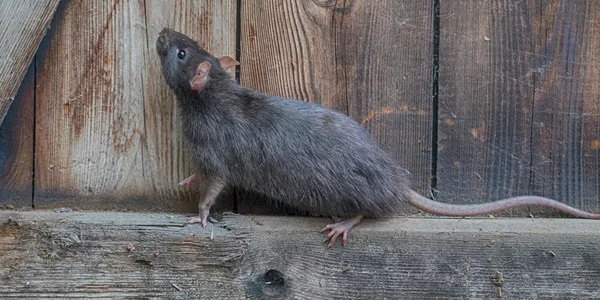
Rats come inside in winter because homes offer warmth, shelter, water, nesting material, and reliable access to food when outdoor conditions become less stable. Cooler nighttime temperatures, rain, and changes in surrounding fields or outdoor feeding areas can push rodents toward protected structures.
In Chico and nearby Northern California communities, that often means attics, garages, crawlspaces, wall voids, sheds, and food-storage areas. Prevention is best started before heavy indoor activity begins. Once rats are established, cleanup and sealing can become more involved.
Why Do Mice Come Inside in Fall?
Mice often move inside in fall for the same reasons, but they can enter through even smaller openings. A garage corner gap, utility-line opening, worn door sweep, or damaged vent can be enough. When outdoor food sources shift and nights cool, garages, kitchens, pantries, laundry rooms, storage rooms, and wall voids become attractive shelter sites.
The garage is often the first part of the home where activity becomes visible, but it may not be the only access point.
What Triggers Seasonal Rodent Activity in Northern California?
The fall and winter pattern matters more than an exact temperature. Around Chico and communities in Yuba, Sutter, and Shasta counties, the seasonal shift can include cooler nights, meaningful rain, changing vegetation, harvest and field movement, and less predictable outdoor food and shelter.
Those conditions may increase pressure around homes near orchards, fields, irrigation corridors, creeks, open land, barns, and outbuildings—especially rural and edge-of-town properties.
WHY RAIN AND SHELTER MATTER
Rain does not create rodents, but it changes where they travel and hide. Wet ground, disturbed nesting sites, and reduced dry shelter can push rats and mice toward structures. A covered roofline, attic, garage, crawlspace, or wall cavity offers more stable shelter than an exposed outdoor nesting area.
That is why homeowners may notice the first signs after the weather changes.
WHY FOOD SOURCES MATTER
Rodents stay where food, water, and shelter are consistent. When outdoor feeding becomes less reliable, they may explore protected areas with pet food, bird seed, stored pantry items, trash, compost, or standing water from irrigation and drainage problems.
A fall prevention plan should consider what makes the property attractive as well as how rodents get inside.
How Agriculture and Field Disturbance Affect Homes
Many Northern California homes sit near farmland, orchards, open lots, irrigation systems, or undeveloped land. Seasonal changes—including harvest, mowing, clearing, rain, and temperature shifts—can disturb outdoor cover and encourage rodents to explore nearby buildings.
For homes along rural edges, inspection should include nearby outbuildings and the places where outdoor travel routes meet the structure. Warmth is only one part of the story; shelter, food, water, and access all matter.
Roof Rats, Norway Rats, and Mice Use Homes Differently
ROOF RATS
Strong climbers that may use branches, rooflines, eaves, vents, and elevated access points to reach attics.
NORWAY RATS
Often associated with ground-level travel, foundations, crawlspaces, garages, burrows, and lower structural openings.
HOUSE MICE
Can use very small openings and remain hidden in garages, kitchens, pantries, cabinets, storage rooms, and wall voids.
Attic noise may suggest roof-rat activity, while signs in a garage or crawlspace may involve mice or Norway rats. Location alone does not identify the pest. A professional inspection helps confirm likely travel routes and where exclusion should start.

Why Mice Are Common in Garages During Fall
Garages often combine shelter, storage, clutter, door gaps, shared walls, attic access, and fewer daily disturbances than living spaces. Pet food, bird seed, cardboard, holiday storage, and seasonal items can make them more attractive.
A garage rodent issue may also indicate wider access around the home, especially where the garage connects to attic, wall, or laundry areas.
Why Crawlspace Vents Become a Fall and Winter Problem
Damaged vent screens, loose covers, and openings near plumbing or utilities can provide access beneath a home. Rodents may nest in the crawlspace, travel into walls, or move toward kitchen and utility areas.
Homeowners do not always see activity right away. Instead, they may notice odors, droppings, disturbed insulation, flea activity, or recurring signs after trapping.
Why Rooflines and Utility Penetrations Matter
Gaps around pipes, wires, HVAC lines, flashing, eaves, soffits, roof transitions, and aging exterior materials may be the source of recurring activity. Traps can catch rodents using those routes, but they do not close the openings.
A thorough inspection looks at the structure from ground level to the roofline and identifies the routes that need attention.
What Signs Do Homeowners Usually Notice First?
- Scratching in the attic, ceiling, or walls at night
- Droppings in the garage, pantry, or cabinets
- Gnaw marks on boxes, food packaging, or wiring
- Nesting material
- Unusual pet behavior near walls or appliances
- A musky odor
- Damaged vent screens, worn door sweeps, or visible gaps
If the same signs keep returning after traps are set, open entry points may be part of the problem.
Why Trapping Alone May Not Stop the Problem
Trapping addresses rodents already inside. It does not automatically solve how they got there. If access points remain open, new rodents may replace the ones removed.
Rodent control reduces current activity. Rodent exclusion focuses on identifying and sealing the routes into the structure. Many homes need both.
When Should Rodent Exclusion Be Completed?
The best time is before indoor activity becomes established. Early fall is a useful time to inspect, and the next best time is when you first notice signs. If rodents are already active, trapping or monitoring may need to begin before or alongside sealing work.
Exclusion is especially worth discussing when you notice:
- Repeat activity after trapping
- Garage-door or side-door gaps
- Damaged crawlspace vents
- Roofline or soffit openings
- Utility penetrations
- Attic activity
- Flea concerns connected to rodents
FREE FALL DOWNLOAD
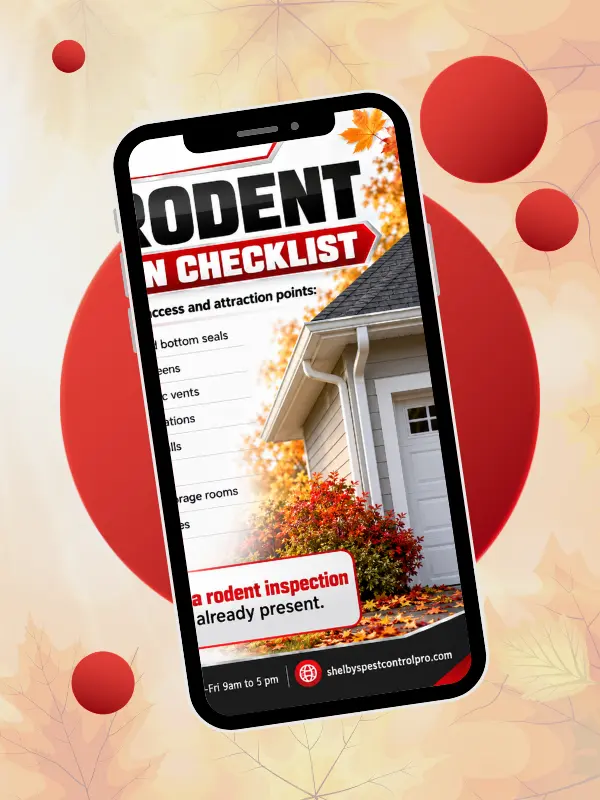
Fall Rodent Prevention Checklist for Northern California Homeowners
As temperatures change in Chico and throughout Northern California, mice and rats may seek shelter in garages, attics, crawlspaces, and other protected areas. Fall is a good time to inspect your property for potential entry points and conditions that attract rodents.
Shelby’s Pest Control created this free, downloadable checklist to help homeowners identify vulnerable areas, reduce food and shelter sources, and take practical steps toward preventing rodent activity before it becomes a bigger problem.
When Should You Schedule an Inspection?
Schedule an inspection before the problem feels urgent. If you are in Chico or a surrounding Northern California community and already hear attic noise, find droppings in the garage, or see recurring signs after DIY trapping, an inspection can help identify entry points before winter pressure increases.
What Shelby’s Sees in the Field
Homes in Northern California often show a similar pattern: rodent activity becomes more noticeable as weather shifts, while overlooked access points keep the problem going. Garage gaps, crawlspace vents, rooflines, door sweeps, and utility penetrations can matter more than homeowners expect.
Inspection, sealing, and follow-up help address those routes alongside current rodent activity.
Related Resources
Get Ahead of Winter Rodent Activity
If you see signs of rats or mice in the attic, garage, crawlspace, or walls, Shelby’s can inspect your property, identify likely entry points, and recommend the next step for rodent control and exclusion in Chico and surrounding Northern California communities.
Call Shelby’s Pest Control: (530) 343-0603
Frequently Asked Questions
WHY DO RATS COME INSIDE IN WINTER?
Rats move inside in winter because homes offer warmth, shelter, water, and more reliable access to food than outdoor areas during cooler, wetter weather.
WHY DO MICE COME INSIDE IN FALL?
Mice often move inside in fall as nights cool and outdoor food and shelter conditions change. Small gaps around garages, doors, vents, and utilities can be enough.
WHY ARE RODENTS IN MY ATTIC DURING WINTER?
Attics are warm, dry, protected spaces with low disturbance. Roof rats in particular may use rooflines, vents, and eaves to reach attic voids.
WHY DO I HAVE MICE IN MY GARAGE DURING FALL?
Garages often provide shelter, storage, clutter, access to food sources, and entry gaps around doors or walls.
WILL TRAPPING ALONE SOLVE A WINTER RODENT PROBLEM?
Not always. Trapping can reduce current activity, but it does not automatically close the openings rodents use to get inside.
WHEN SHOULD RODENT EXCLUSION BE DONE?
Ideally before winter activity becomes established. If rodents are already active, exclusion may be done alongside trapping or monitoring.
WHAT PARTS OF A HOME SHOULD BE CHECKED FIRST?
Garage-door gaps, crawlspace vents, rooflines, eaves, door sweeps, utility penetrations, and attic vents are among the most important areas to inspect.
CAN RODENTS CONTRIBUTE TO FLEA PROBLEMS?
Yes. Rodents can introduce or support flea activity around attics, crawlspaces, garages, and other protected nesting areas.