Commercial Rodent Control & Exclusion in Northern California

70 Years in Business

Voted Top 5 Pest Control Business by Expertise.com

Licensed & Insured

Eco- Friendly & Pet Safe Solutions

Protect Your Facility, Your Compliance, and Your Bottom Line

Rodents in commercial properties aren’t just a nuisance — they’re a serious risk to health inspections, inventory, safety, and business continuity. Across Northern California, warehouses, restaurants, multi-unit buildings, and commercial facilities face constant pressure from rats and mice due to dense development, agricultural surroundings, shared walls, and frequent deliveries.

Shelby’s Pest Control provides commercial rodent control and exclusion services that stop rodents at the source, prevent re-entry, and keep your property compliant and operational year-round.

Why Rodent Exclusion Is Critical for Commercial Properties


In commercial environments, rodent problems rarely start as emergencies. They begin quietly — a gap under a dock door, a torn vent screen, a single droppings sighting after hours. By the time activity is obvious, inspectors or tenants are often already involved. That’s why prevention and documentation matter as much as removal.

01
Health & Safety

Rodents carry bacteria and pathogens that contaminate food, surfaces, and storage areas. Droppings, urine, and nesting materials can lead to health concerns, employee complaints, and failed inspections — especially in food-related or regulated environments.

02
Inspections, Violations & Compliance

Health departments, auditors, and regulatory agencies closely review rodent activity, entry points, and pest control documentation. A single sign of rodents can result in violations, warnings, or operational disruptions. Professional rodent exclusion and monitoring help demonstrate compliance and proactive management.


03
Property Damage & Fire Hazards

Rats and mice chew electrical wiring, insulation, and structural materials. In commercial buildings, this damage can lead to equipment failure, fire risk, and costly repairs — often without visible warning until it’s too late.

04
Reputation & Business Impact

Rodent sightings affect customer confidence, tenant satisfaction, and online reviews. For property managers and business owners, reactive pest control leads to repeat issues, complaints, and lost trust. Prevention protects both your reputation and your revenue.


Common Rodent Issues in Commercial Buildings

Rats & Mice

Rodents enter through dock doors, utility penetrations, rooflines, vents, damaged seals, and shared walls. Once inside, they spread quickly through ceiling voids, wall cavities, and storage areas.


High-Risk Areas

  • Loading docks & delivery zones
  • Storage rooms & inventory areas
  • Trash & compactor areas
  • Mechanical rooms
  • Shared walls in multi-tenant properties


Without proper exclusion, trapping alone rarely solves the problem.

Common Rodent Entry Points in Commercial Buildings

Rodents don’t need much space to get inside — a gap the size of a quarter is enough. In commercial facilities, frequent deliveries, shared utilities, and aging infrastructure create multiple access points that often go unnoticed until an inspection or infestation occurs.

Shelby’s commercial rodent exclusion services focus on identifying and sealing the most common entry points found in Northern California businesses.

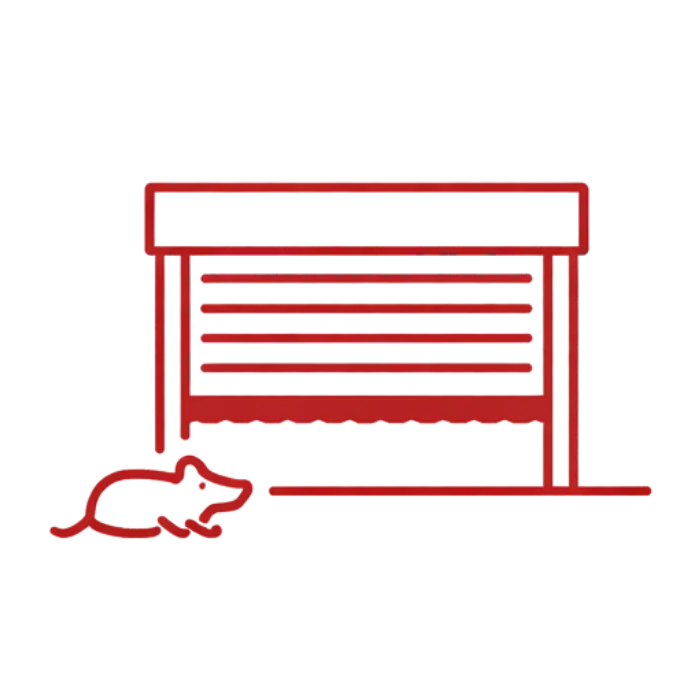
Red outline icon showing a commercial dock door with a rodent at the threshold, representing rodent entry points through door sweeps and loading dock doors.

Door Sweeps & Dock Doors

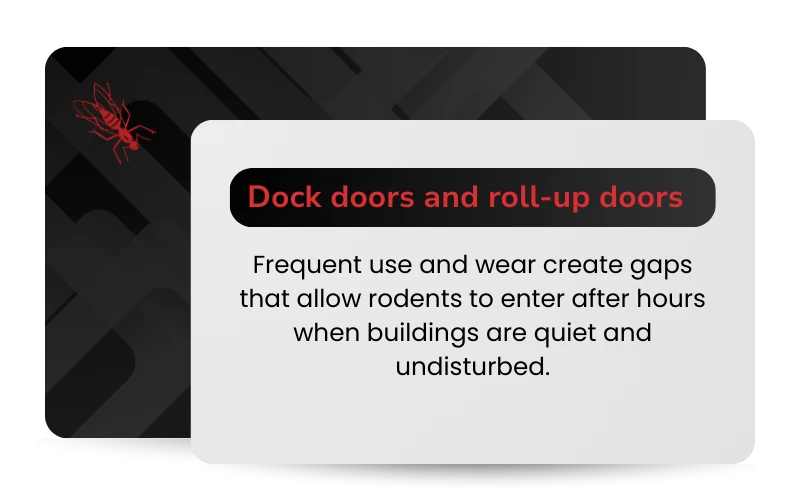
Loading docks, roll-up doors, and rear entry doors are some of the most common rodent access points in commercial buildings. Worn door sweeps, warped thresholds, and gaps caused by frequent use allow rodents to enter unnoticed, especially at night.

We install commercial-grade, chew-resistant door sweeps and seals designed for high-traffic environments without interfering with daily operations.

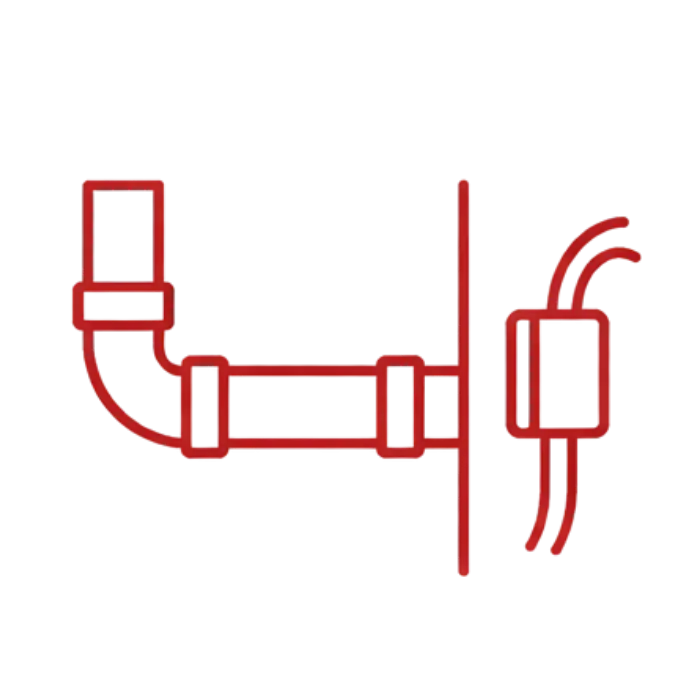
Red outline icon of plumbing and utility lines passing through a wall, representing rodent entry through pipe and utility penetrations in commercial buildings.

Plumbing & Utility Penetrations

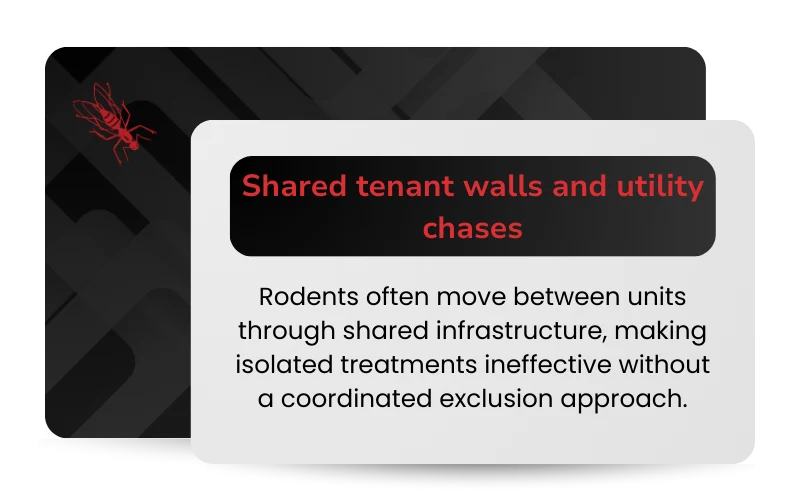
Rodents often enter through gaps around plumbing lines, electrical conduits, and utility penetrations where pipes pass through walls and foundations. These openings are common behind equipment, in mechanical rooms, and along shared tenant walls.

Shelby’s seals these penetrations using metal mesh, flashing, and durable materials that withstand chewing and meet commercial standards.

Red outline icon of a flat commercial roof with rooftop HVAC equipment and vents, representing rodent entry points through HVAC systems and roof penetrations.

HVAC Systems, Vents & Rooflines

Roof vents, exhaust fans, and HVAC penetrations are frequently overlooked entry points — especially in warehouses, restaurants, and multi-unit buildings. Damaged vent screens or improperly sealed rooftop access points allow rodents to move freely between exterior and interior spaces.

Our technicians inspect rooflines and ventilation systems and install rodent-resistant barriers without restricting airflow or equipment function.

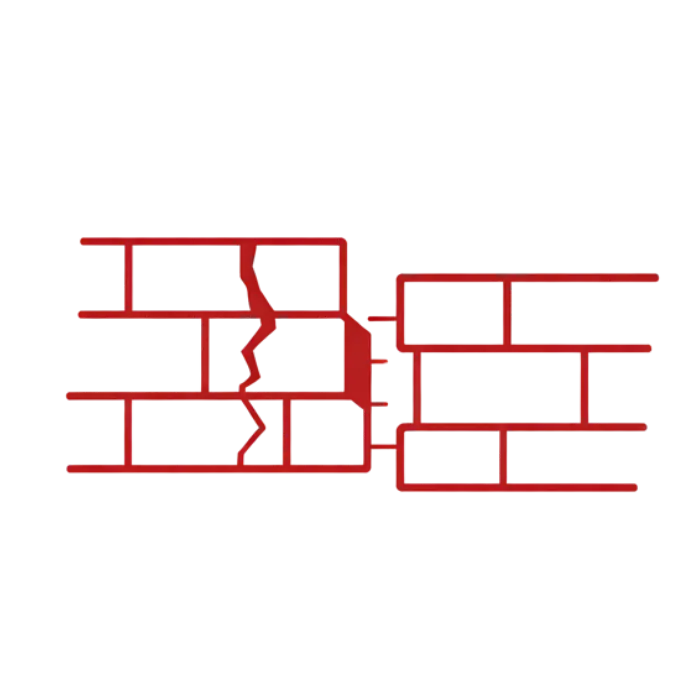
Red outline icon of a commercial foundation with visible cracks and gaps, representing rodent entry through structural openings in commercial buildings.

Foundations, Expansion Gaps & Structural Voids

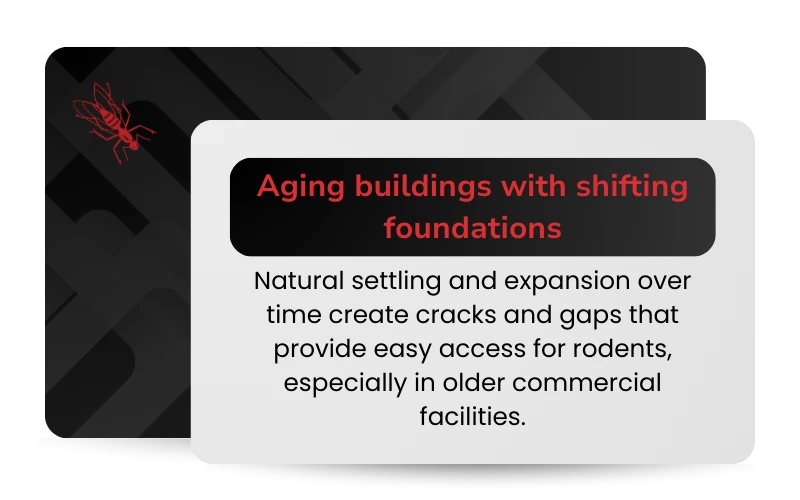
Commercial buildings naturally shift over time. Cracks in foundations, expansion joints, and gaps between structural materials provide easy access for rodents, particularly in older facilities.

We identify these vulnerabilities during inspection and apply long-term exclusion solutions designed to move with the structure and maintain protection.

Why Entry Point Sealing Matters for Commercial Properties

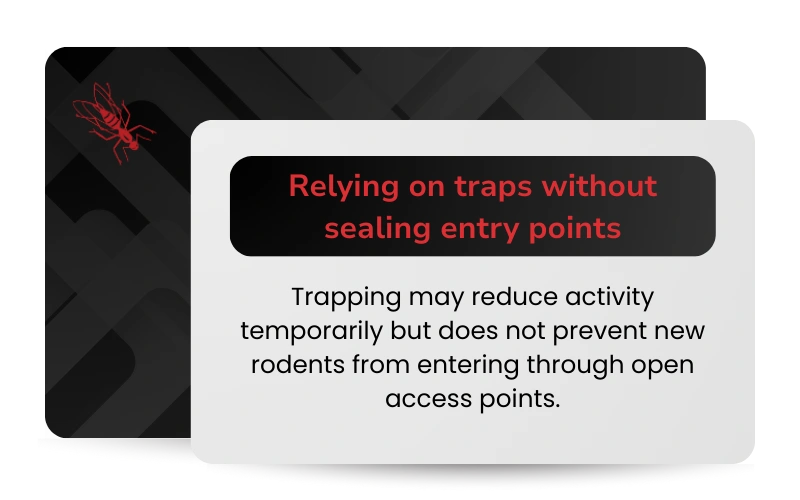
Traps and monitoring alone won’t stop rodents if access points remain open. Structural exclusion is what turns short-term control into long-term protection — especially in regulated or high-traffic commercial environments.

By sealing entry points proactively, businesses reduce:

  • Repeat infestations

  • Inspection violations

  • Emergency service calls

  • Damage to equipment and inventory

Shelby’s commercial rodent exclusion services focus on identifying and sealing the most common entry points found in Northern California businesses.

Where Commercial Properties Get Caught Off Guard

We often find these issues during routine inspections, even in facilities that already have pest control service in place.

Our Commercial Rodent Control & Exclusion Process

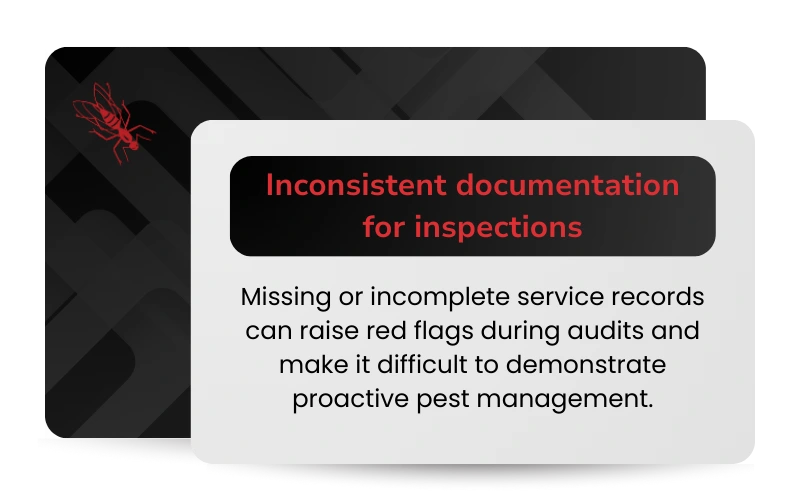
Every service visit is documented to support inspections, audits, and internal reporting.We often coordinate with property managers, facility teams, and inspectors to ensure documentation and access align with operational needs.

On-Site Commercial Inspection

We inspect interior and exterior areas with a compliance-focused approach, identifying rodent activity, entry points, sanitation risks, and structural vulnerabilities.

Custom Commercial Rodent Plan

Your plan is tailored to your facility type, risk level, and operational needs — not a one-size-fits-all program.

Rodent Exclusion & Targeted Control

We seal entry points using commercial-grade, chew-resistant materials and implement monitoring and control measures where needed.

Ongoing Monitoring & Documentation

Scheduled service includes monitoring station checks, exclusion inspections, and detailed service logs to support compliance and long-term prevention.

Rodent Exclusion vs. Reactive Control in Commercial Settings

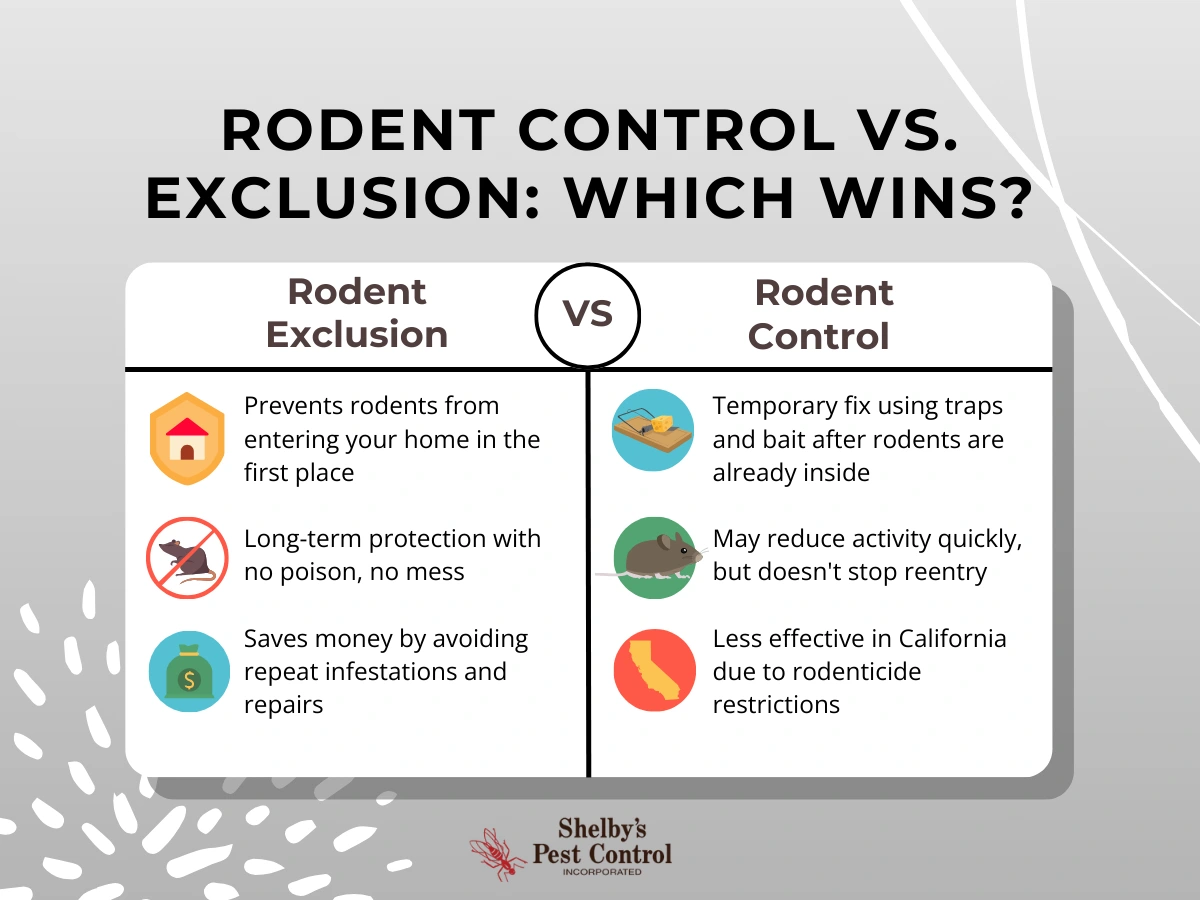
Traps and bait may address active rodents, but they do not stop re-entry.

With California’s rodenticide restrictions and increased scrutiny around bait use and stricter inspection standards, rodent exclusion is essential for long-term commercial protection. Sealing entry points reduces repeat infestations, supports compliance, and minimizes disruption to daily operations.

Not all rodent control is created equal. Learn why exclusion is the long-term solution in our in-depth guide for businesses and homeowners.

Why Choose Shelby’s Pest Control

✓ Local Northern California expertise from Sacramento to Redding
✓ Commercial-first rodent control approach
✓ Structural exclusion specialists
✓ Discreet service that respects your operations
✓ Inspection-ready documentation
✓ Reliable scheduling and clear communication

You get consistent service, honest recommendations, and a partner who understands commercial pressure.

Commercial Pest Control Plans That Fit Your Business

Monthly Pest Control Service
  • Features:

  • Ideal for high-risk or high-traffic properties


    Rodent monitoring & exclusion checks

    Interior & exterior service

    Sanitation & entry-point notes

    Priority scheduling

    Compliance documentation

Every Other Month Service
  • Features:

  • Preventive protection for moderate-risk facilities


    Routine rodent monitoring

    Seasonal adjustments

    Service reports & recommendations

    Flexible scheduling

One-Time Service
  • Features:

  • Targeted rodent control or inspection support


    Commercial inspection included

    Rodent-focused treatment

    Service report

    Optional follow-up available

Areas We Serve

Commercial FAQs

What is commercial rodent exclusion and how is it different from rodent control?

Commercial rodent exclusion focuses on identifying and sealing the structural entry points rodents use to access a building. Traditional rodent control often relies on traps or bait to remove active rodents but does not stop re-entry. Exclusion is what provides long-term prevention, especially in commercial environments where inspections and repeat activity are a concern.

Yes. Traps and bait stations help monitor or reduce rodent activity, but they do not prevent rodents from entering a building. Without sealing door gaps, utility penetrations, vents, and structural openings, rodents will continue to find access points. Exclusion addresses the root cause, not just the symptoms.

Rodents commonly enter through worn door sweeps, loading docks, utility and plumbing penetrations, roof vents, HVAC systems, foundation gaps, and shared walls in multi-tenant properties. Even small openings can allow rats and mice to enter, especially in high-traffic or older commercial facilities.

While requirements vary by industry and agency, inspectors routinely look for signs of rodent activity, entry points, and documented pest management. Commercial rodent exclusion helps demonstrate proactive prevention and compliance, reducing the risk of violations, warnings, or operational disruptions during inspections.

Yes. Rodent exclusion uses structural sealing methods and chew-resistant materials rather than chemical treatments. This approach is eco-friendly, poison-free, and safe for occupied commercial spaces, including food service, healthcare, and multi-unit properties.

Most commercial properties benefit from ongoing monitoring through scheduled service visits. The frequency depends on the facility type, risk level, and surrounding environment. Regular monitoring ensures exclusion materials remain intact and helps catch new activity before it becomes a problem.

Yes. Commercial rodent exclusion accounts for larger structures, higher traffic, shared utilities, regulatory requirements, and inspection documentation. Solutions are tailored to the facility’s layout, usage, and compliance needs, which differ significantly from residential properties.

Protect Your Property Before Rodents Become a Problem

Rodents don’t wait for convenient times — and neither should your pest control strategy. Proactive commercial rodent exclusion protects your facility, your compliance, and your peace of mind.

📍 Serving Chico, Butte County, Tehama, Shasta, Yuba, and surrounding areas

Looking for Residential Rodent Exclusion?

If you’re dealing with rodents in a home, garage, or residential property, visit our Residential Rodent Exclusion Services page for solutions designed specifically for homeowners.

Call Now Button